

AI and Uganda’s Elections: The Next Battle for Truth

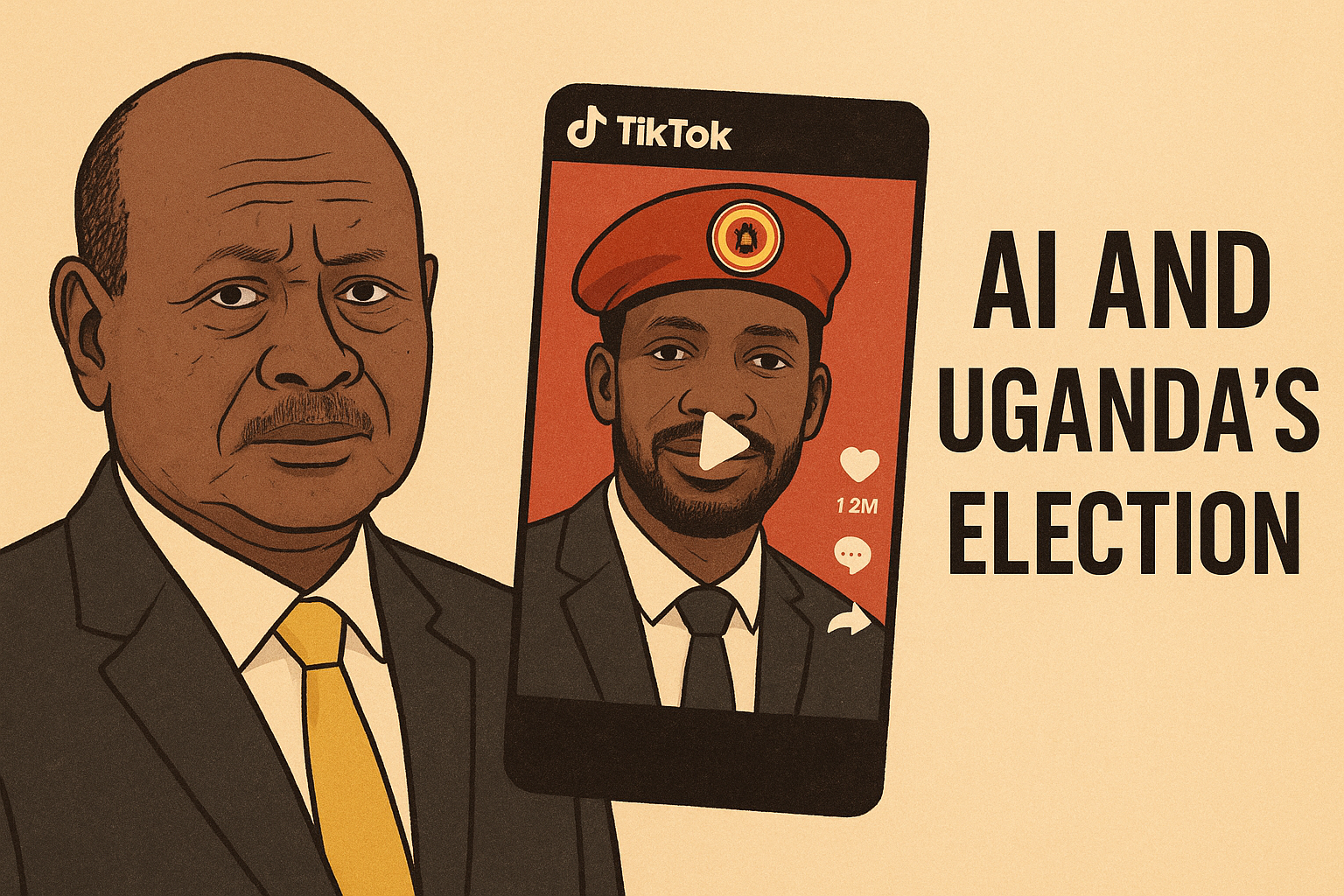
When Ugandans go to the polls next year (2026), the stories that shape public opinion may not all be written by humans. Around the world, artificial intelligence (AI) has become a powerful tool in elections sometimes for innovation, but often for manipulation. From deepfake videos that put words into politicians’ mouths, to AI-powered bots flooding social media with propaganda, the line between truth and fiction is becoming thin each increasing day.
Global Perspective
In India’s 2024 elections, AI was used to create campaign songs in multiple local languages, giving politicians the ability to “speak” directly to millions of voters. Some of these innovations were harmless. But others were darker fake videos and AI-generated speeches spread confusion and undermined trust.
The U.S. has already seen deepfake videos impersonating political candidates, while in Kenya, manipulated videos have circulated online during heated campaigns. These examples show us that AI is no longer futuristic, it’s here, and it’s influencing democracy.
The Ugandan digital space: fertile ground for AI disinformation
Ugandans spend much of their online time on WhatsApp, TikTok, Facebook, and X (Twitter). These platforms are already filled with manipulated photos, misleading memes, and political propaganda. During election season, they become battlegrounds for narratives and counter-narratives.
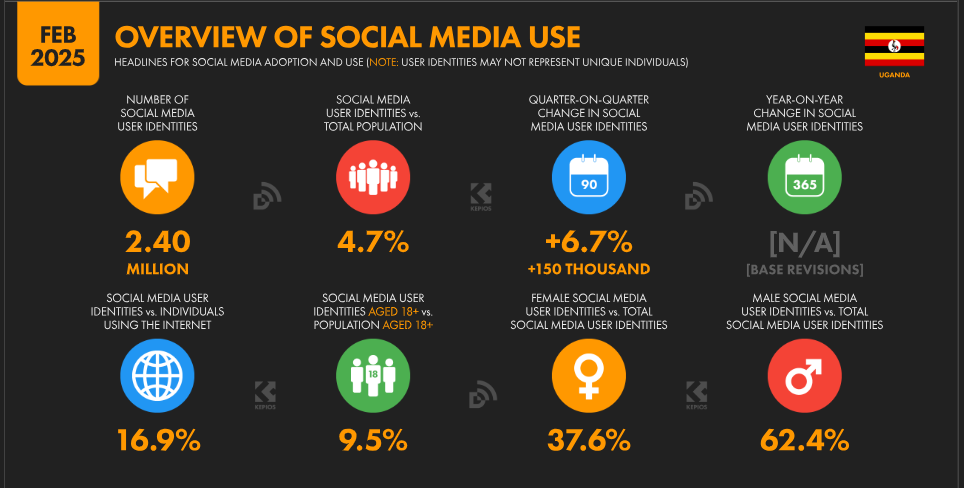
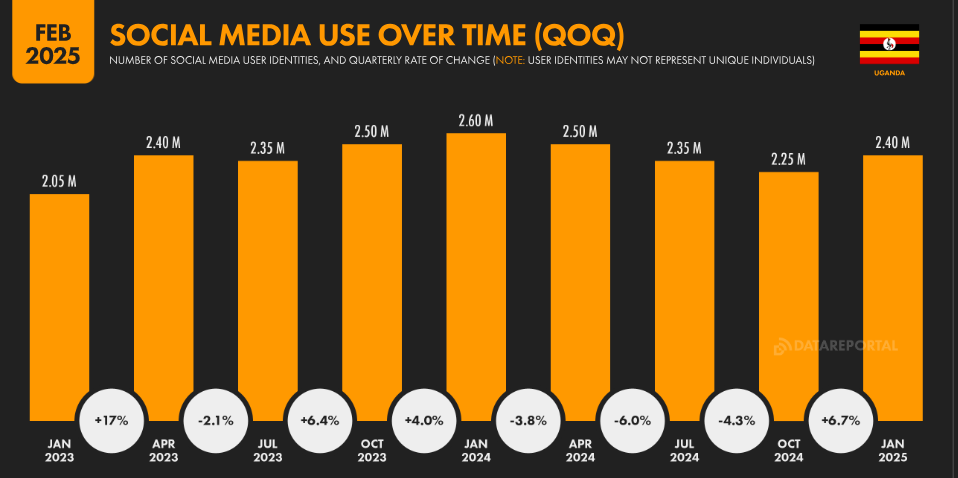
The danger isn’t just that these fakes exist, it’s that they look so real, even the most skeptical citizens may struggle to tell the difference.
@cibizionlinetv.0 Uganda president Yoweri museveni urges Boby wine to relax, and support him for the last time promising to campaign for him in the next elections #uganda #ugandatiktok #museveni #bobywine #ugandapolitics ♬ original sound – CIBIZI ONLINE TV
What can be done?
The fight against AI-driven disinformation requires action at several levels:
Journalists and fact-checkers
-
Invest in AI-detection tools that can spot manipulated media.
-
Collaborate across newsrooms and fact-checking organizations for faster responses.
-
Label authentic content clearly, so audiences know what is verified.
Civil society and media literacy
-
Scale up digital literacy campaigns that teach citizens how to question, pause, and verify before sharing.
-
Promote public awareness of how AI can be misused in elections.
Technology platforms
-
Social media companies must be held accountable for monitoring political content and removing harmful deepfakes quickly.
-
Ugandan regulators should engage platforms before election season to set clear safeguards.
