

Decoding Text: How to Analyze and Verify Information in the Age of Misinformation

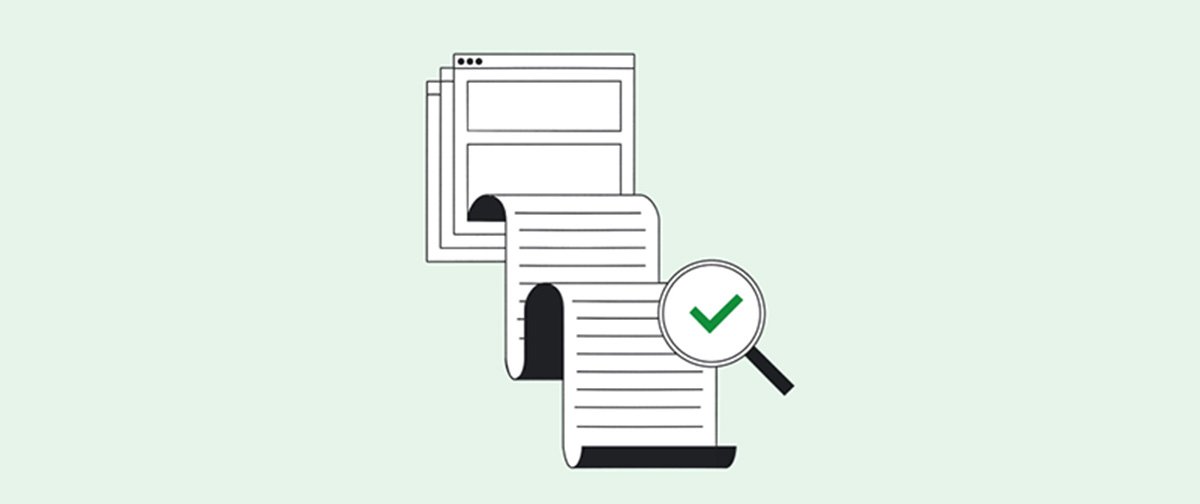
Misinformation and disinformation are increasingly shaping public opinion, fueling narratives that range from mildly misleading to dangerously deceptive. This is why analyzing text is at the heart of fact-checking. Being able to critically examine written content can mean the difference between amplifying falsehoods and promoting truth.
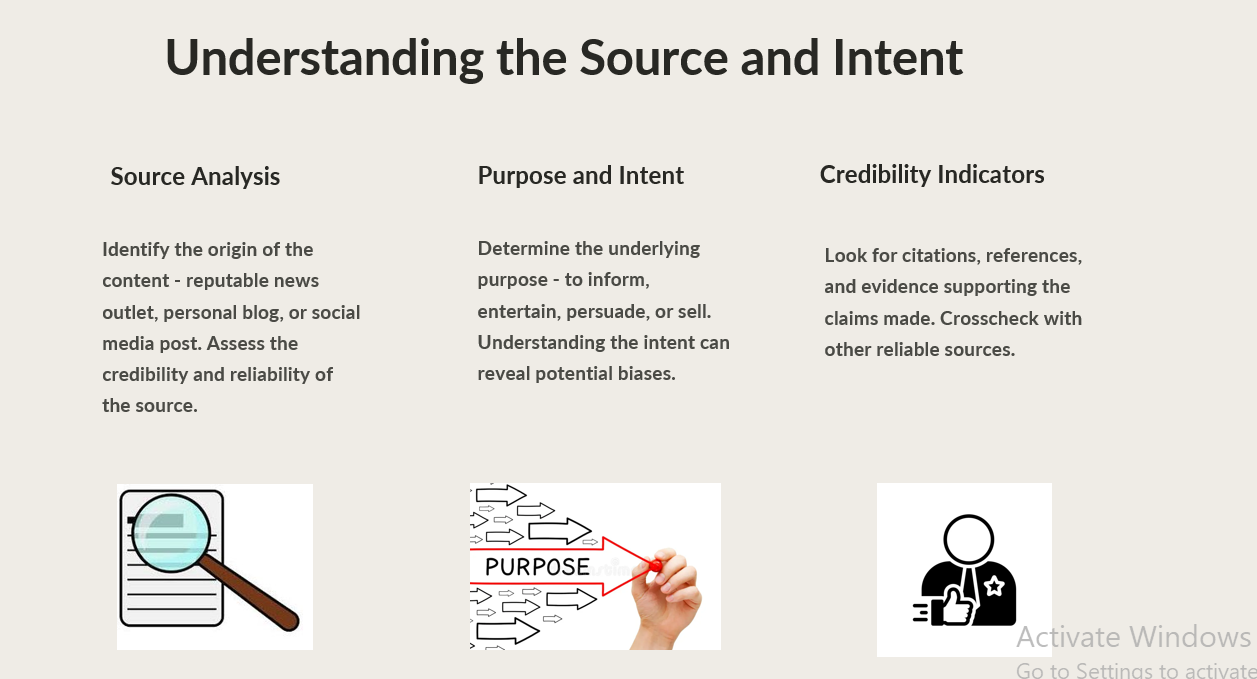
Step 1: Assess the Source
The first rule of fact-checking is: consider where the information is coming from. A credible source typically has a track record of reliability, transparency, and accuracy. Ask yourself:
Who published this? Is it a recognized news organization, an independent journalist, or an anonymous social media user?
What’s their track record? Do they have a history of factual reporting, or have they been flagged for misinformation?
Are they transparent? Legitimate sources usually cite where they got their information from.
Step 2: Look for Loaded Language
The way a message is framed can reveal whether it’s objective reporting or an attempt to manipulate opinion. Watch for:
Exaggeration & alarmist language – Words like “shocking,” “unbelievable,” “hidden truth” often signal sensationalism.
Emotional appeal over facts – Does the text aim to stir outrage or fear rather than provide balanced information?
Strong bias or one-sided arguments – Does it present multiple viewpoints or push a single narrative?
Step 3: Verify Key Facts
Even if a text looks polished, fact-checking requires breaking down the claims and verifying each one. Here’s how:
Check for original sources – If the text mentions statistics or quotes, find the primary source. Did the author provide verifiable references?
Compare with trusted databases – Cross-reference the claim with reliable fact-checking websites, government records, and news archives.
Context matters – Even if a statement is technically true, is it being presented in a misleading way?
Step 4: Watch for Manipulated or AI-Generated Content
With AI-generated text becoming more sophisticated, misinformation is evolving. Some fabricated stories mimic real journalism, making them harder to detect.
AI-written misinformation – Was the text created by an AI chatbot? Does it lack specific details or human nuance?
Fake quotes or misattributed statements – Are public figures being quoted accurately, or has their message been taken out of context?
Deepfake text manipulation – Be cautious of screenshots or documents that have been edited to mislead.
Step 5: Consider the Bigger Picture
Fact-checking text isn’t just about proving a claim true or false—it’s about understanding why certain narratives spread.
Who benefits from this narrative? Does it serve a political, financial, or ideological agenda?
Why is it being shared now? Is it tied to a trending issue or event where misinformation thrives?
How is it framed? Is the claim misleading by omission, meaning key details are left out to shape perception?
Pro Tip: Media literacy is about engaging with information critically, not just consuming it passively.
Final Thoughts: Every Word Matters
Fact-checking isn’t just about spotting lies, it’s about building a culture of critical thinking. In an era where disinformation can shape elections, public health, and social movements, our ability to analyze text determines the quality of conversations we have.
At Debunk Media Initiative, we remain committed to equipping individuals with the tools to verify information, debunk falsehoods, and protect the integrity of public discourse. Let’s stay vigilant, question boldly, and always seek the truth.
Want to sharpen your fact-checking skills? Follow our insights and fact checks.
