
How to Spot Misinformation on TikTok This Election Season in Uganda


TikTok is no longer just an entertainment platform for dance challenges and viral memes , it’s now one of the fastest-growing sources of news and information, especially among young Ugandans. As the country edges closer to the 2026 elections, there’s a rising concern: misinformation is spreading faster than ever and TikTok is a huge part of it.
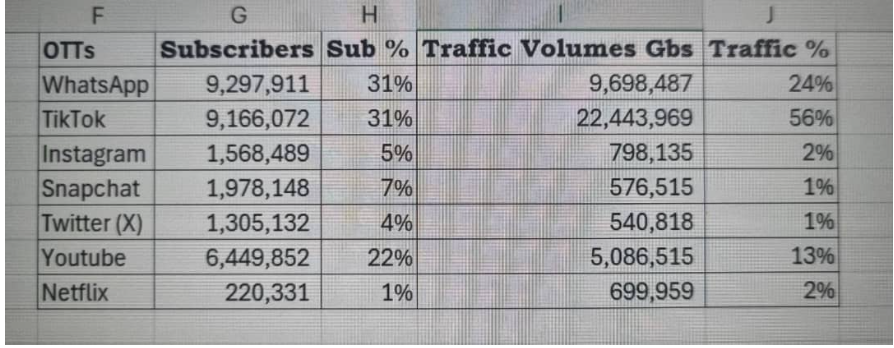
Tik Tok has emerged as the undisputed leader in data consumption among Over-The-Top (OTT) platforms in Uganda, accounting for a staggering 56% of total traffic, according to newly released statistics shared by Uganda Communications Commission (UCC) Executive Director, Nyombi Thembo.
@nextkulture Did You Know? TikTok is the #1 data-hungry app in Uganda, chewing through 22+ million GB daily and costing users a whopping Shs 55 billion PER DAY! @Tracy #NBSNews4U #Uganda #tiktok ♬ original sound – Next Kulture
At Debunk Media, we’ve been tracking how disinformation can distort public opinion, incite fear, or manipulate voter choices. That’s why we’ve put together 10 simple, practical tips to help you spot — and stop — the spread of fake content on TikTok.
1. Check the Source Before You Share
Before liking, sharing, or reacting to a political video, ask: Who posted this? Is it a verified journalist, a media outlet, or just an anonymous account with no traceable identity? Anonymous accounts often drive viral falsehoods , don’t fall for the trap.
2. Watch Out for Emotional Manipulation
Misinformation isn’t always obvious. Sometimes it comes wrapped in emotional hooks: anger, fear, outrage, or even comedy. If a video makes you instantly emotional ,pause. That’s often a red flag that someone is trying to influence how you think or feel.
3. Verify Visuals Using Reverse Image Search
Ever seen a viral TikTok claiming “chaos erupts in Kampala” — only to find out later the video was from another country or from years ago? You can avoid that. Use tools like Google Reverse Image Search, InVID, or TinEye to check where a video really came from.
4. Don’t Trust a Video Without Proof
Misinformation thrives on bold claims without any evidence. If a video says “This candidate is buying votes!” but shows no names, locations, or context — be skeptical. Ask: Where’s the proof? A true claim can usually be backed up by credible news reports or documents.
5. Beware of Deepfakes and Edited Audio
Thanks to AI, it’s now possible to fake someone’s voice or face with scary accuracy. If you see a politician “saying something wild” — always double-check with verified news outlets or fact-checking organizations before believing or reposting.
6. Look at the Date ,Context Matters
An old protest video from 2020 can resurface and go viral as “breaking news” during election season. Always check the date the content was originally posted. Look for clues like event banners, clothing, weather, or location names.
7. Scrutinize Hashtags and Captions
Some videos ride on political hashtags just to go viral , even when the content has nothing to do with the tag. Misleading captions are another red flag. Don’t trust the text at face value; engage critically.
8. Read the Comments , They’re Often More Honest
Sometimes the community debunks false content faster than any fact-checker. Take time to read the comments. Other users may provide context, post links to credible sources, or call out the misleading information.
9. Pause Before You Repost
You’re not just a viewer — you’re a potential amplifier. If you’re unsure about something, don’t share it. Think twice: Would I want someone to repost this if it were false or harmful?
10. Follow Verified Fact-Checkers
Stay informed by following platforms like Debunk Media Initiative PesaCheck, and AfricaCheck. When you’re unsure about something, tag us. We’re here to help you stay ahead of the misinformation game.
Follow Debunk Media Initiative On Tiktok for fact checks