

How to Spot Misinformation on YouTube Ahead of Uganda’s 2026 Elections


As Uganda prepares for the 2026 general elections, social media platforms are expected to play a powerful role in shaping public opinion and YouTube is no exception.
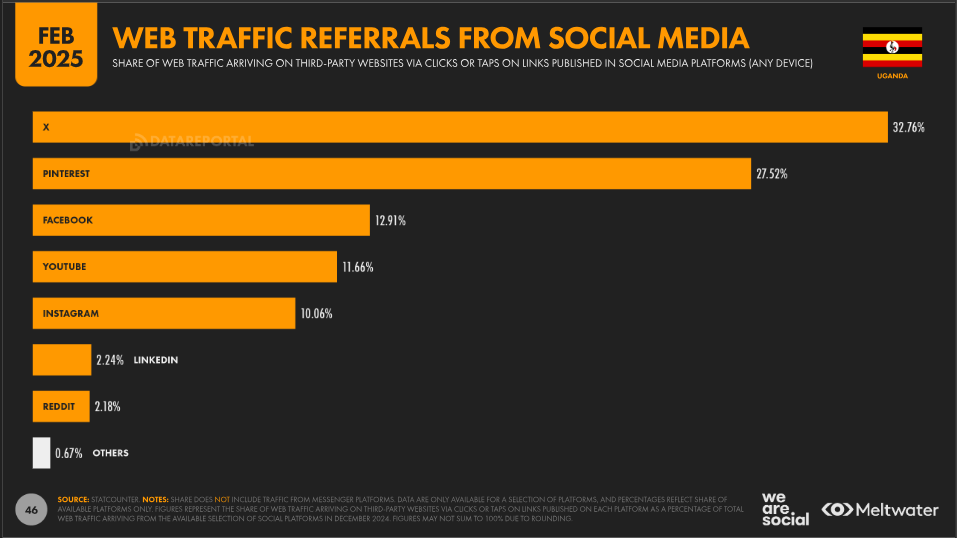
With thousands of political videos uploaded every month, it’s becoming harder for everyday users to tell what’s true and what’s not. Channels that look credible might actually be spreading unverified claims, twisted narratives, or even outright falsehoods.
Source: StatCounter Global Stats – Social Media Market Share
That’s why Debunk Media Initiative is stepping up with practical tools to help Ugandans especially youth and first-time voters — sharpen their digital literacy. We have previously provided a guide for spotting misinformation on Tiktok and this article will provide a guide for Youtube.
10 Ways to Spot Misinformation on YouTube
1. Check the Channel
Is it a trusted media house or a newly created account with no background? Always start by researching who’s behind the content.
2. Assess the Speaker
Is the person a qualified journalist, political analyst, or simply a random YouTuber pushing an agenda? Credentials matter.
3. Look for Evidence
Does the video cite credible sources? Are there interviews, documents, or original footage to back claims? Beware of videos filled with dramatic music and zero facts.
4. Watch for Edits & Clips
Some content creators take real footage and edit it out of context to mislead. Try to locate the full speech or uncut video.
5. Check the Date
Old political rallies, protests, or election content is often re-uploaded to create fake narratives. Always check when the video was actually recorded.
6. Scrutinize Titles and Thumbnails
Clickbait phrases like “EXPOSED!”, “SHOCKING REVELATION” or “MUST WATCH” often point to sensationalism, not journalism.
7. Read the Comments
Surprisingly, the comment section is often where viewers challenge or fact-check the video. Take time to read what others are saying.
8. Cross-check With Trusted Sources
If something sounds extreme or suspicious, check if reputable outlets like NTV Uganda, Daily Monitor, or UCC have covered it. You can also check with fact-checkers like Debunk Media.
9. Be Skeptical of “Anonymous Sources”
Phrases like “I can’t show the proof for security reasons…” or “Sources told me secretly…” should raise red flags. Real journalism verifies.
10. Don’t Share Unless You’re Sure
When in doubt, don’t forward or repost. Even a single share can amplify a falsehood.
@thedebunkshow How To Flag Misinformation on YouTube. #Misinformation #FactChecking ♬ original sound – TheDebunkShow
