

Israel-Iran conflict sparks new wave of misinformation

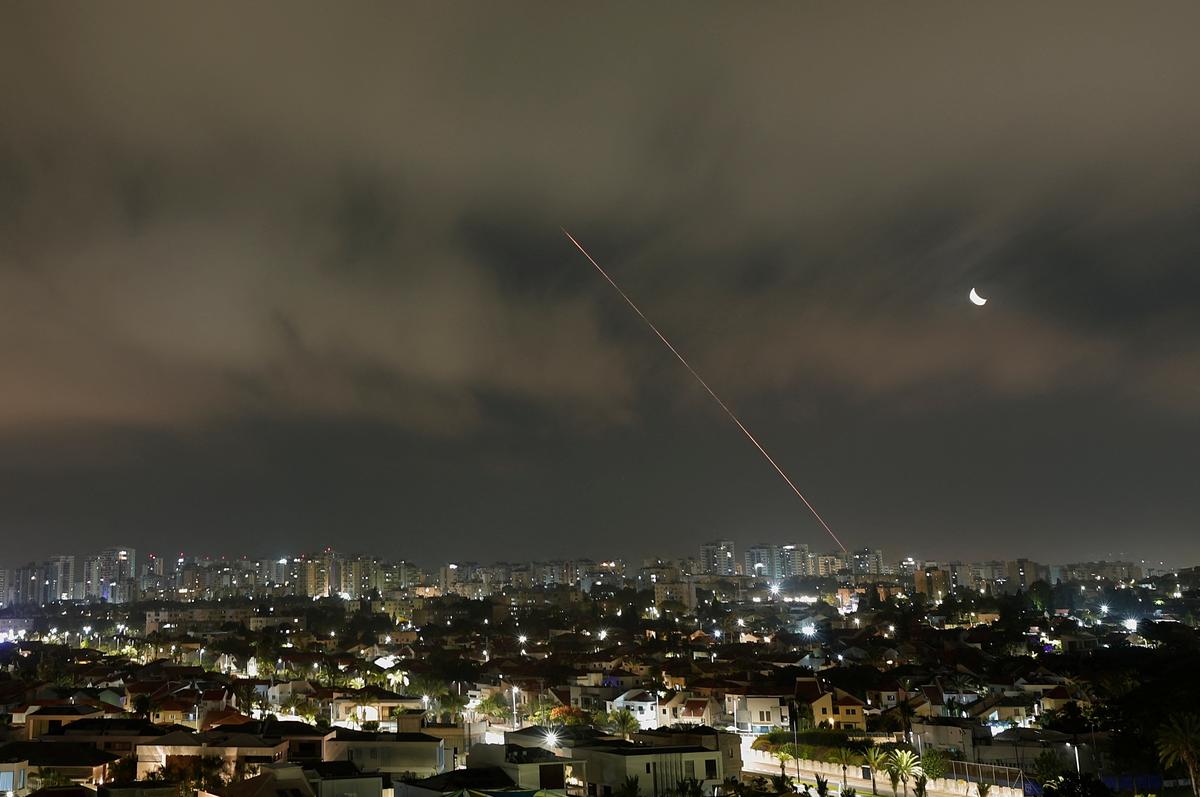
When bombs fall in the Middle East, stories spread worldwide, some true, many false, and others somewhere in between. But in 2025’s escalating conflict between Iran and Israel, the biggest battle may not just be on the ground or in the skies. It’s happening online, where misinformation travels faster than ever creating confusion, fear, and division far beyond the war zone.
Sample of AI-generated videos from the ongoing Iran-Israel war pic.twitter.com/isRUuu3xL1
— Basha باشا (@BashaReport) June 21, 2025
A Digital War
As Israeli and American strikes hit Iranian military and nuclear sites, and Iran retaliates with missile volleys targeting Israeli cities, an equally intense wave of tech-fueled misinformation floods social media and messaging platforms. This isn’t new, but what’s different now is how AI tools and chatbots have supercharged the problem.
Imagine scrolling through your WhatsApp or X (Formerly Twitter feed) and seeing videos of missile strikes on Tel Aviv that look real, only to learn later they were created by AI tools like Google’s Veo 3 or recycled from unrelated conflicts
AI-generated video of Iranian trucks containing missiles, viral on social media | Dfrac
.
.
.#aigeneratedimage #ai #iranianmissile #missiles #viralvideofact #IranIsraelConflict pic.twitter.com/ND3g4MxDuq— DFRAC (@Dfrac_urdu) June 21, 2025
How AI and Technology Make Falsehoods More Believable
Thanks to advances in generative AI, fabricating convincing videos and images has become disturbingly easy and quick. Deepfake clips lasting only a few seconds can immitate missile strikes, collapsing buildings, or leaders giving false declarations. These videos are dramatic, triggering strong emotions like fear, anger, or despair.
🧵
Iran Israel War Fake News and Misinformation Fact Checks ✅1: Rumours About Pakistan will launch Nuclear attacks that are absolutely fake, no gov official released such a statement. No source found.#IranIsraelConflict pic.twitter.com/XZThsIjZPw
— Ciphar 1337 (@Callsign_Ciphar) June 15, 2025
Why Misinformation Matters Beyond Borders
The consequences aren’t just about confusing facts. Falsehoods can:
-
Inflame tensions between communities, especially when messages include sectarian or religious undertones.
-
Distract from humanitarian crises and real stories on the ground, diluting aid efforts.
-
Fuel fear and panic that affect diaspora communities and their relatives.
-
Undermine trust in media and institutions, making societies more vulnerable to manipulation.
