

Misleading: New Vision headline states Diabetes Spike linked to Much Matooke and Kalo

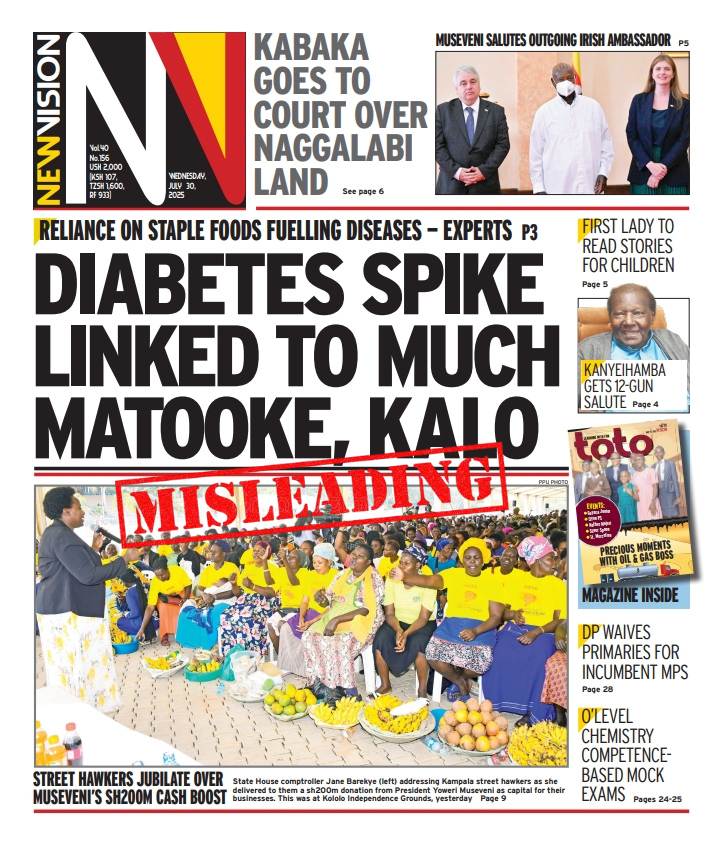
The contents of this headline are misleading and should be researched further.
Claim: On Wednesday, 30th July 2025, the New Vision published a front-page headline stating that Matooke (cooked green bananas) and Kalo (millet) have led to a spike in diabetes in the country.
🗞️ The New Vision | Wednesday Edition
🔹 Diabetes spike linked to too much matooke, kalo
🔹 Kabaka goes to court over Naggalabi land
🔹 First Lady to read stories for children 📚Grab your copy from the nearest vendor or read via our #EPAPER 👉🏿 https://t.co/pvu2rc7AUM… pic.twitter.com/nzLd9gbsGA
— The New Vision (@newvisionwire) July 30, 2025
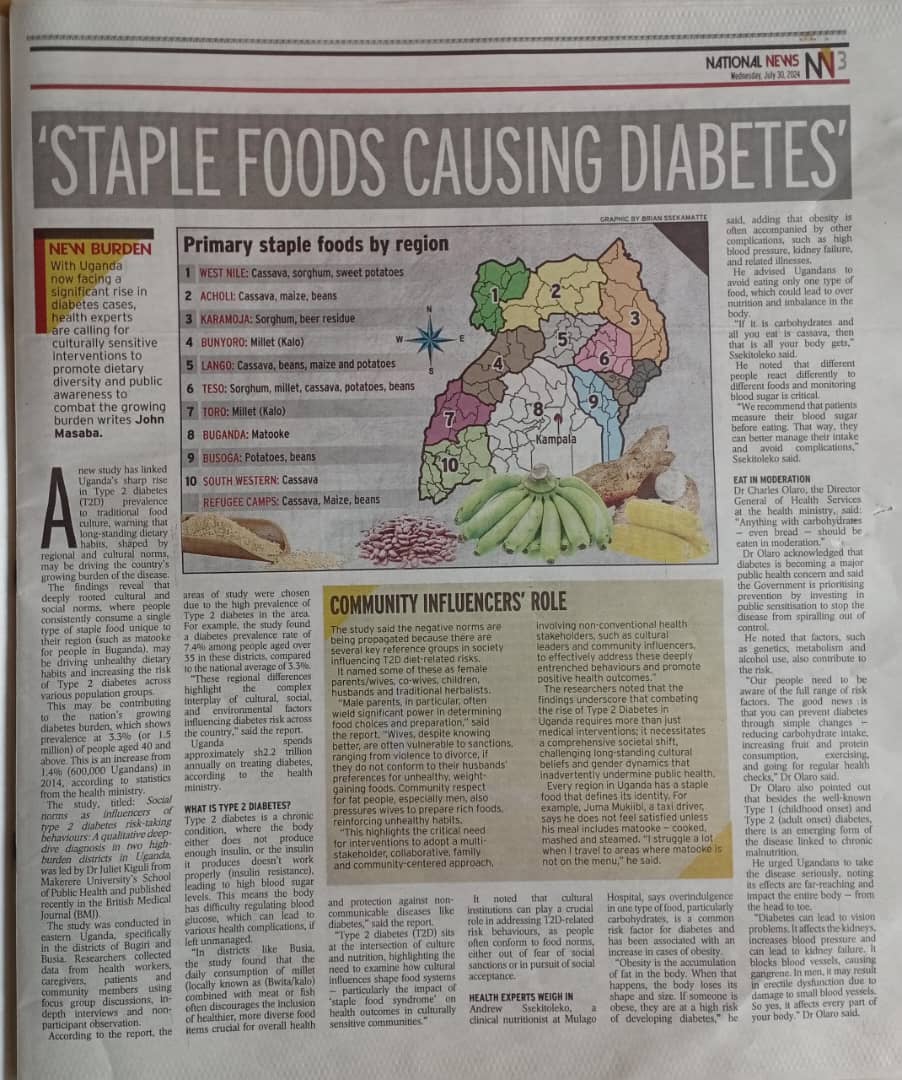
The headline implied that these traditional carbohydrates could be contributing to a national health crisis. The full length story also states that the research was conducted in only two districts; Bugiri and Busia, which doesn’t give a full representation of the country to authoritatively state it has led to a spike in diabetes.
Context
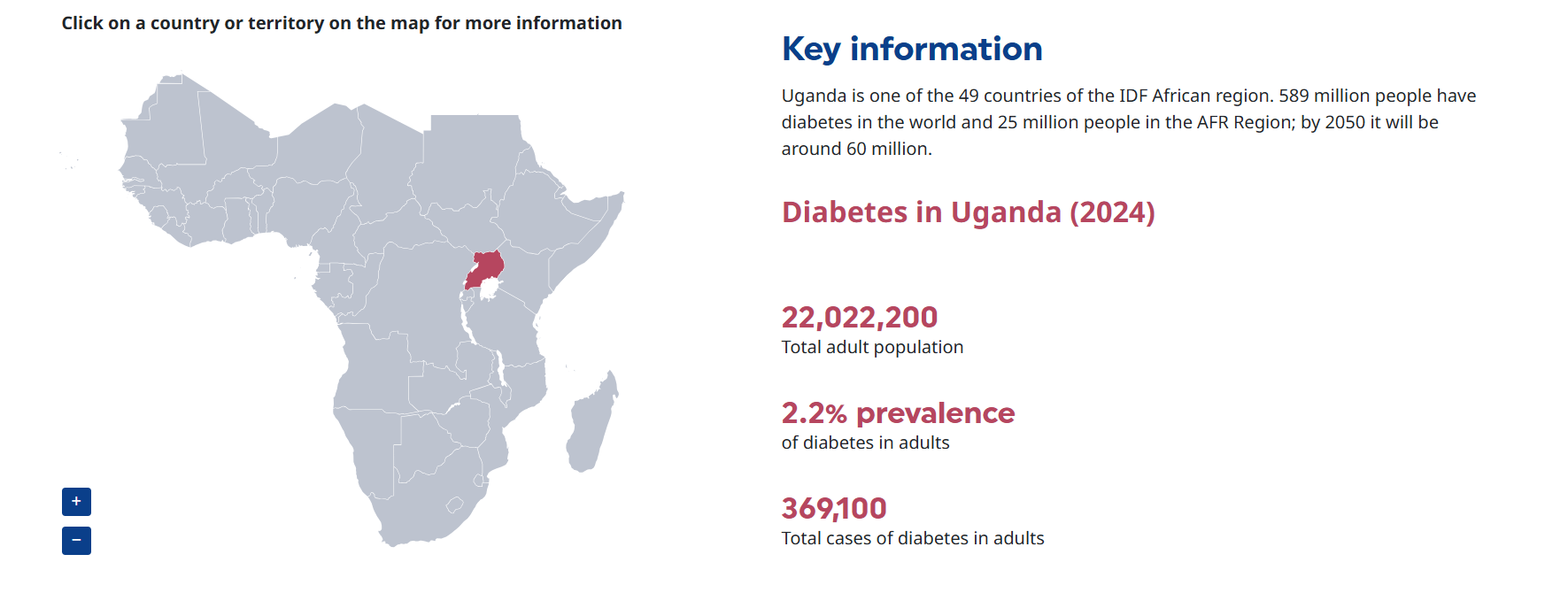
Uganda, like many other countries, has seen an increase in non-communicable diseases (NCDs) — including diabetes — over the last decade. Factors like urbanisation, sedentary lifestyles, dietary changes, and genetics all play a role.
The Science: What Causes Diabetes?
There are two main types of diabetes:
- Type 1, which is an autoimmune condition and not linked to diet.
- Type 2, which is influenced by diet, weight, physical activity, age, and genetics.
Increased consumption of refined sugars, processed foods, and overeating in general, especially in the absence of physical activity, is strongly associated with type 2 diabetes. But this doesn’t mean that all carbohydrates are to blame, especially complex, fibre-rich traditional foods.
What About Matooke and Kalo?
Matooke (Green Bananas)
- A complex carbohydrate, rich in fibre, potassium, and vitamin B6.
- Has a medium glycaemic index when boiled/steamed — meaning it raises blood sugar slowly.
- No added sugar unless sweetened after cooking (which is rare).
Kalo (Millet)
- Millet is a low-to-medium GI grain that digests slowly and helps stabilise blood sugar.
- Cassava has a higher glycaemic index, but when combined with millet and consumed in moderation, it doesn’t pose a significant risk.
- The health value depends on the ratio of millet to cassava and how it’s prepared.
Expert Opinion
Dr Kasenene is a medical doctor, nutrition expert, and speaker with a passion for helping people achieve wellness and lose weight through nutrition and natural medicine. Through his Twitter handle, he stated that the headline from New Vision was misleading. Matooke and kalo are actually among the healthier carbohydrate-rich foods. On their own, they are not the problem.
This headline from @newvisionwire could be misleading.
Matooke and kalo are actually among the healthier carbohydrate-rich foods. On their own, they are not the problem.
The real issue is consuming high-carb foods without adequate physical activity.
In fact, foods like posho,… pic.twitter.com/1I5DQlQ1x0
— Dr. Kasenene (@drkasenene) July 30, 2025
This headline is likely to cause confusion and unnecessary panic. This is not correct. Matooke and kalo, together with sweet potatoes, are healthy foods that should be promoted, not discouraged.
This headline is likely to cause confusion and unnecessary panic.
This is not correct. Matooke and kalo together with sweet potatoes are healthy foods that should be promoted not discouraged.
Diabetes is not because of eating too much of these foods. Yes in excess they can… https://t.co/r0OSn6PpAD
— Dr. Kasenene (@drkasenene) July 30, 2025
The Uganda Diabetes Association also responded to the headline released by New Vision and stated that they found the title and the content of the story misleading and erroneous.
Finally,below is the response from @UgandaDiabetes on the recently published article from @newvisionwire pic.twitter.com/E5yLnITUMf
— UgandaDiabetesAssociation (@UgandaDiabetes) July 30, 2025
Verdict: Misleading
The claim that matooke and kalo are behind a spike in diabetes cases in Uganda is misleading. While diet plays a role in diabetes risk, these traditional foods, when eaten in moderation and as part of a balanced lifestyle, are not the culprits. The bigger risk factors are physical inactivity, overconsumption of processed foods, and sugar-laden modern diets.
