

The Truth About Family Planning: Addressing Uganda’s Most Common Misconceptions

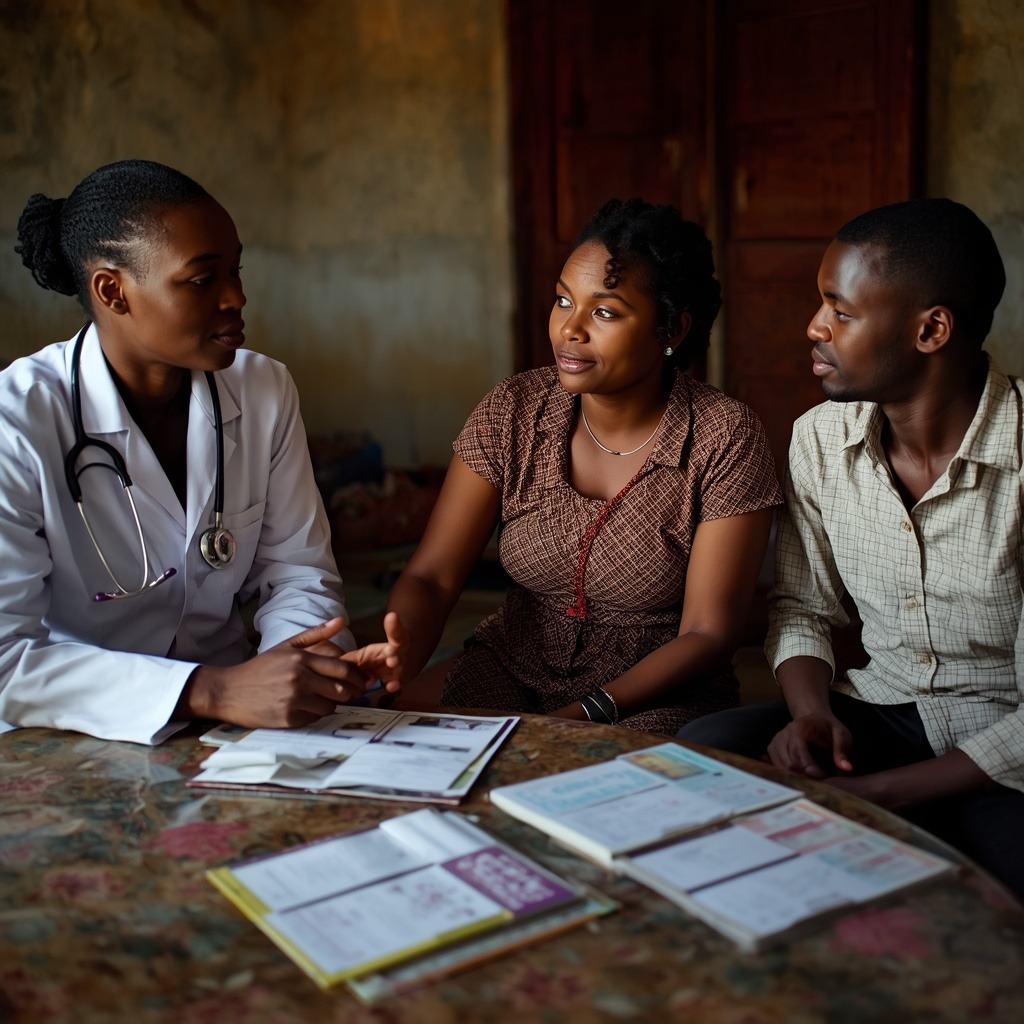
Mention family planning in almost any conversation in Uganda, and chances are you’ll hear different opinions.
Some people believe it causes permanent infertility. Others think it’s only meant for married couples. You might even hear someone say it encourages promiscuity or that modern contraceptives are simply too dangerous to use.
These aren’t just passing conversations. Uganda’s Ministry of Health recognises misinformation and persistent myths as some of the barriers preventing people from accessing family planning information and services. These challenges are highlighted in the Ministry’s current plan, the Third National Family Planning Costed Implementation Plan (FP-CIP III, 2025/26–2029/30). That’s one of the reasons the Ministry, together with its partners, developed the National Family Planning Advocacy Strategy to improve public understanding through accurate, evidence-based information.
So, where do these beliefs come from? And more importantly, what does the evidence actually say?
As the world marks World Population Day on 11 July, it’s worth taking a closer look at some of the claims surrounding family planning. According to the Uganda National Institute of Public Health (UNIPH), the day highlights the importance of reproductive health, family planning, youth empowerment, and equitable access to health and social services as key components of sustainable development.
“Family planning causes permanent infertility.”
This is perhaps the most common concern raised whenever family planning is discussed.
It’s understandable why the claim persists. For many people, the ability to have children is deeply important, so any suggestion that contraception could affect fertility naturally raises concern.
But what does the evidence say?
According to the World Health Organization (WHO), modern contraceptive methods do not cause infertility. The organisation notes that while some methods such as injectable contraceptives may delay the return of fertility for a short period after they are discontinued, fertility generally returns over time for most users.
WHO also points out that infertility has many possible causes, including infections, certain medical conditions, and other health factors not the use of modern contraceptives.
Permanent infertility is intentionally achieved through procedures like voluntary sterilisation, which are specifically intended for individuals or couples who have decided not to have more children.
“Family planning is only a woman’s responsibility.”
Family planning is often spoken about as though it only concerns women.
In reality, decisions about when and how many children to have affect both partners.
Uganda’s National Family Planning Advocacy Strategy identifies male involvement as one of its priority advocacy areas, recognising that men also have an important role to play. That role can be as simple as discussing reproductive goals with their partners, attending counselling sessions together, and, where appropriate, using family planning methods such as condoms or vasectomy.
“Family planning encourages promiscuity.”
This claim has circulated for many years.
But is there evidence that access to contraception causes people to become sexually irresponsible?
Current evidence does not support that conclusion.
The World Health Organization describes family planning as enabling individuals and couples to determine whether and when to have children. Decisions about sexual behaviour are influenced by many factors including personal values, relationships, education, religion, and culture, not simply by access to contraceptives.
“Contraceptives are unsafe because they have side effects.”
This claim usually begins with a real observation.
Yes, some contraceptive methods can have side effects. Depending on the method and the individual, these may include changes in menstrual bleeding, headaches, or nausea. The World Health Organization notes that the type and likelihood of side effects vary depending on the contraceptive method used.
The World Health Organization explains that different contraceptive methods suit different people. Choosing the most appropriate option depends on a person’s health status, preferences, and medical history, which is why consultation with a qualified healthcare provider is recommended before starting or changing a method.
If one method causes uncomfortable side effects, a healthcare provider may recommend another that better suits the individual’s needs.
“Family planning is only for married people.”
Family planning is sometimes viewed as a service intended only for married couples.
Uganda’s Ministry of Health takes a broader approach. Its National Family Planning Advocacy Strategy emphasises that people, including young people, should have access to accurate information and quality services that enable them to make informed decisions about their sexual and reproductive health.
Access to reliable information helps individuals understand their options and seek guidance that is appropriate to their circumstances.
Why do these misconceptions matter?
At first glance, these claims may seem harmless.
But misinformation about family planning can influence important health decisions.
Uganda’s Ministry of Health identifies myths, misconceptions, and inadequate access to accurate information as some of the factors that discourage people from using family planning services.
When people make decisions based on rumours instead of evidence, they may delay seeking healthcare, avoid asking important questions, or miss opportunities to receive accurate medical advice.
Before you believe a claim, ask one more question.
Health information travels quickly. A WhatsApp message, a Facebook post, a TikTok video, or advice from someone you trust can spread to thousands of people before anyone checks whether it’s accurate.
The next time you come across a claim about family planning, pause for a moment.
Who is making the claim?
Can the information be traced to a qualified healthcare professional, the Ministry of Health, or another recognised public health institution?
Does the available evidence support the claim?
Those simple questions can make the difference between sharing misinformation and making an informed decision.
As we mark World Population Day, the conversation isn’t only about population numbers. It’s also about ensuring that people have access to reliable information that helps them make informed decisions about their health, their families, and their future.
Because informed choices begin with informed conversations.
How we researched this article
This article was prepared by reviewing guidance and publications from Uganda’s Ministry of Health, including the National Family Planning Advocacy Strategy, as well as the World Health Organization’s guidance on family planning and contraception. Where possible, we prioritised Ugandan government sources and internationally recognised public health authorities.